DALL·E Image Generation API

The DALL·E API empowers users to create, manipulate, and generate images through textual prompts, showcasing unprecedented advancements in AI-driven image creation.

General
AuthorOpenAI
DocumentationLink
TypeAI Image Generation

Introduction to DALL·E Image Generation

The DALL·E API facilitates image creation and manipulation through textual prompts. Whether generating images from scratch or altering existing ones, DALL·E's cutting-edge capabilities revolutionize the creative process.

DALL·E, offered in two versions - DALL·E 3 and DALL·E 2, enables three core functionalities:

  • Creating Images from Text Prompts: Both DALL·E versions
  • Editing Images with Textual Input: Exclusive to DALL·E 2
  • Generating Variations of Existing Images: Exclusive to DALL·E 2

State-of-the-Art Image Generation

DALL·E's flexibility spans artistic to photorealistic images, responding adeptly to natural language descriptions. Continual advancements in image quality, latency, scalability, and usability underscore OpenAI's commitment to pushing the boundaries of AI-driven image creation.

Built-in Moderation

With insights from deploying DALL·E to millions worldwide, the API incorporates trust and safety measures, including filters for sensitive content. This commitment to responsible deployment ensures developers can focus on innovation while relying on built-in mitigations.

For inspiring use cases and comprehensive insights, explore the OpenAI article.

Image Generation DALL·E API Tutorials


DALL·E Image Generation API top builders

Explore the top contributors showcasing the highest number of DALL·E Image Generation API app submissions within our community.

OpenAI DALL·E Image Generation API AI technology Hackathon projects

Discover innovative solutions crafted with DALL·E Image Generation API, developed by our community members during our engaging hackathons.

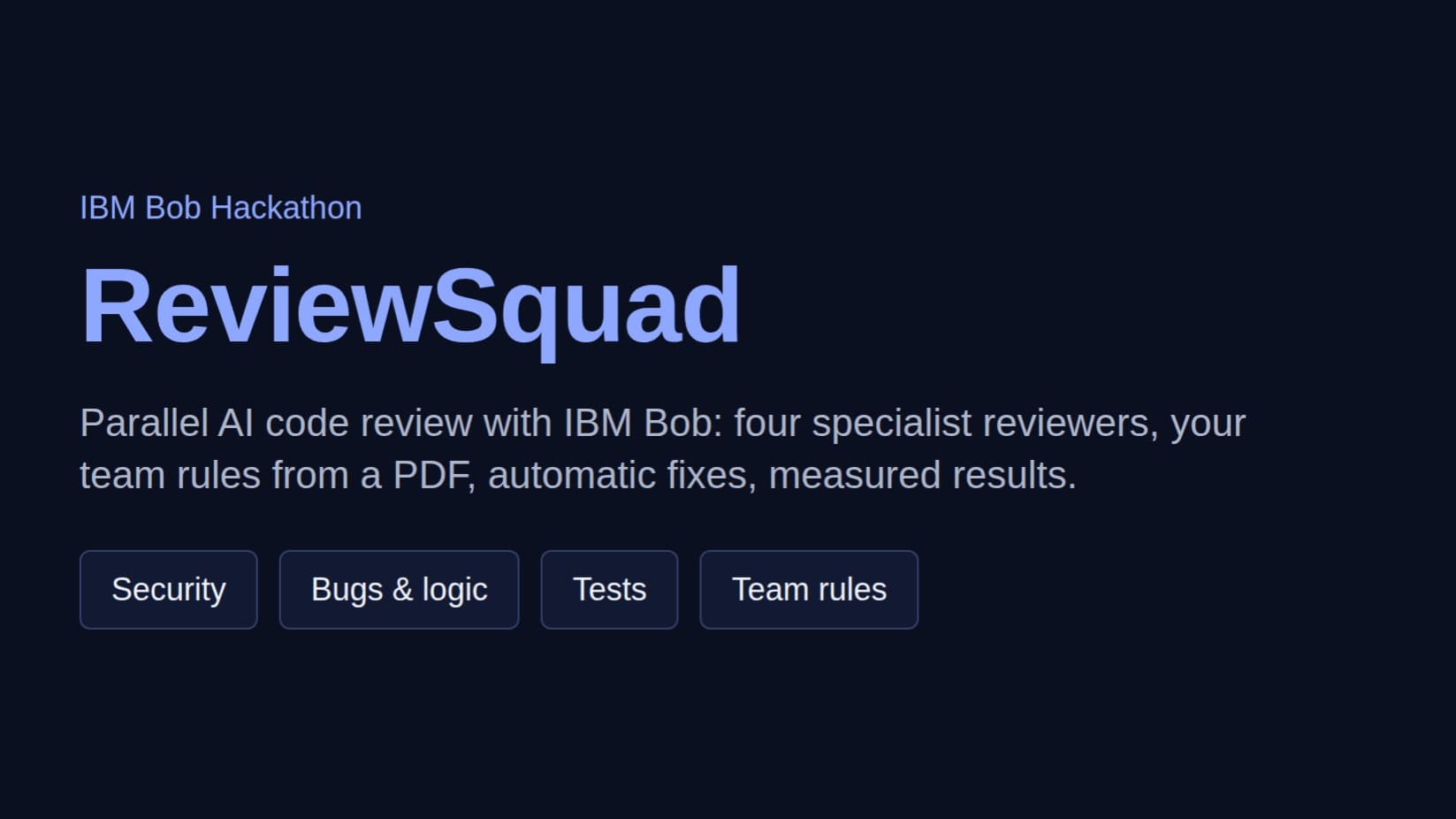
ReviewSquad: AI code review with IBM Bob

ReviewSquad: AI code review with IBM Bob

The problem Code review is one of the slowest and least reliable steps in software delivery. Pull requests wait hours for a busy reviewer, and when the review happens, it is often rushed: the tests pass, the diff looks reasonable, approved. But passing tests do not mean safe code. Hard-coded secrets, SQL injection, inverted business logic and untested code slip into production, where fixing them costs far more. Reviews are also inconsistent: each reviewer checks different things, and the team's written guidelines are rarely applied line by line. The solution ReviewSquad turns IBM Bob into a disciplined code review team. A developer opens the pull request in IBM Bob, selects the Review Lead mode and asks it to review. ReviewSquad then runs the full workflow: 1. It converts the git diff into a review brief with exact line numbers and runs the tests and fast automated checks for hard evidence. 2. The Review Lead reads the team's own code review guidelines from a PDF (document understanding). 3. It runs four specialist reviews - Security, Bugs & Logic, Tests and Team Rules - each recording structured findings with the file, line, severity, the guideline rule broken, and a fix. 4. The findings are merged into one review with a clear verdict. 5. After a human approves, a Fixer mode repairs every finding and adds tests; tests and checks run again. 6. ReviewSquad publishes a shareable report of what was found, by whom, and the before/after state. Target users are development teams where senior reviewers are a bottleneck. Developers interact entirely through IBM Bob's chat; reviewers read one report. Why it is different Most AI review tools make a single pass and leave a list of comments. ReviewSquad runs the whole workflow - understand the rules, review, decide, fix, verify, report - with clear roles and permissions: reviewer modes are read-only, and only the Fixer may edit code, only after approval. Deterministic tools do the counting; Bob does the judgment. Because the rules come from a document, every team gets reviews against its own standards, not generic advice. We also measure instead of claiming. Our demo pull request contains 11 planted problems and passes all 8 of its tests; GitHub marks it "Ready to merge". A hidden answer key, which Bob cannot read, scores the review. Impact (our recorded run) - Automated checks alone caught 7 of 11 planted problems; ReviewSquad with IBM Bob caught 10 of 11, including an inverted coupon-expiry check that no test or linter flagged. - After the Fixer: 37 of 37 tests pass (up from 8), and automated warnings dropped from 22 to 0. - The full review, fix and verification took minutes of agent time instead of a manual review cycle, with every finding traceable to a line and a team rule.